
As the sailing world looks ahead to the next edition of the America's Cup in Naples, there is perhaps no better place to reflect on the competition's extraordinary heritage than Cowes, where it all began.
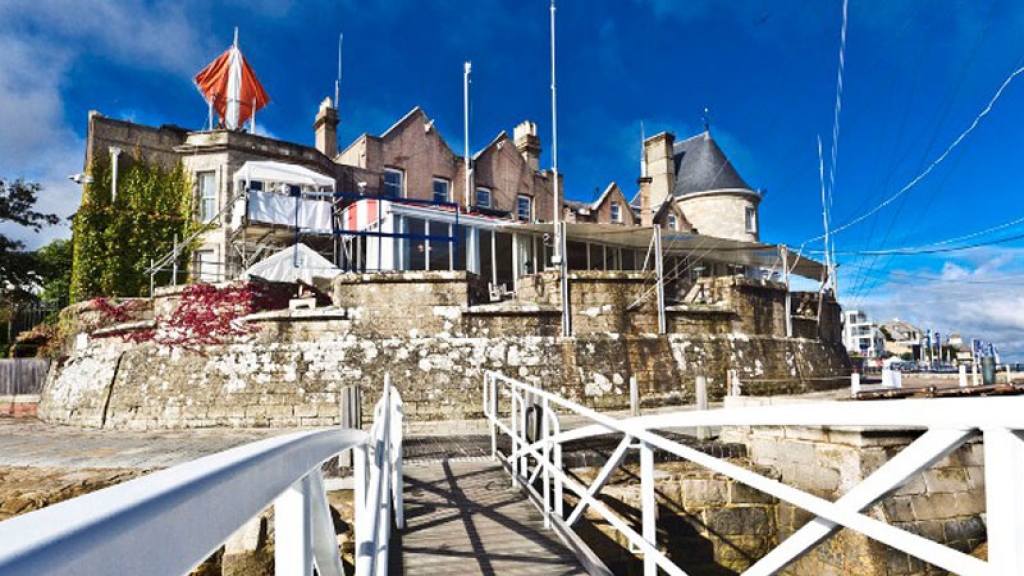
Standing on the platform of the Royal Yacht Squadron on the Isle of Wight, Commodore Bertie Bicket cast his mind back 175 years to the morning of 22 August 1851, when the race that would become the America's Cup first set sail.
"It all began here," said Bicket. "On the morning of August 22nd, 1851, at 10 o'clock, the first America's Cup, or the 'Hundred Pound Cup' as it was then called, started from Cowes."
A Race Around the Island
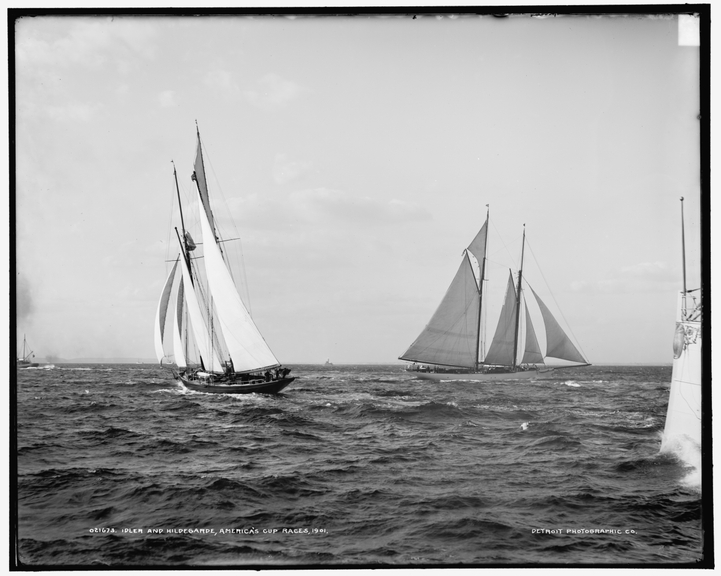
The inaugural contest was deceptively simple. Sixteen yachts lined up to race around the Isle of Wight, covering a 53-mile course with one straightforward instruction: keep the island on your starboard side. Fifteen of the competitors were British entries, many representing the Royal Yacht Squadron, while a single challenger had crossed the Atlantic from the United States.
Conditions that morning were far from straightforward. A light south-westerly breeze had combined with an awkward tidal flow, creating a challenging start for the fleet.
"The tide was actually still going slightly to the west at the beginning," Bicket explained. "It made for a very tricky start for some of those boats."
The race took just over ten and a half hours to complete, with the American schooner ‘America’ crossing the line ahead of a very surprised British fleet and securing a victory that would change sporting history.
Born from British Innovation
The timing of the race was no accident. The year 1851 was also the year of London's Great Exhibition, which showcased the very best of British industry, engineering and innovation.
According to Bicket; the Commodore of the Royal Yacht Squadron at the time, the Earl of Wilton, saw an opportunity to demonstrate Britain's maritime excellence alongside the technological achievements on display in London.
"There was a lot going on in terms of showcasing British technology," said Bicket. "The competition was quite simple: design and build a boat, then race around the Isle of Wight."
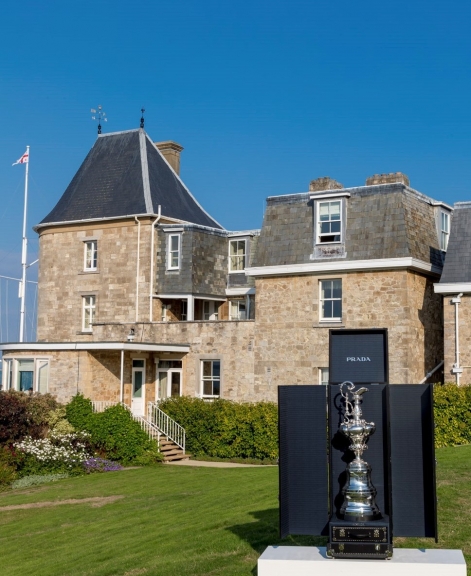
What followed would become the oldest continuous trophy in world sport.
© Carlo Borlenghi
Why the America's Cup Endures
More than a century and three-quarters after that first race, the America's Cup remains one of the most coveted prizes in sport.
For Bicket, its longevity comes from a unique combination of sporting competition and technological innovation.
"It's as much a design competition as it is a sailing competition," he said. "It's brilliant in its concept because it's very open in terms of how it can evolve. It never gets dull and it never gets boring because it continually evolves."
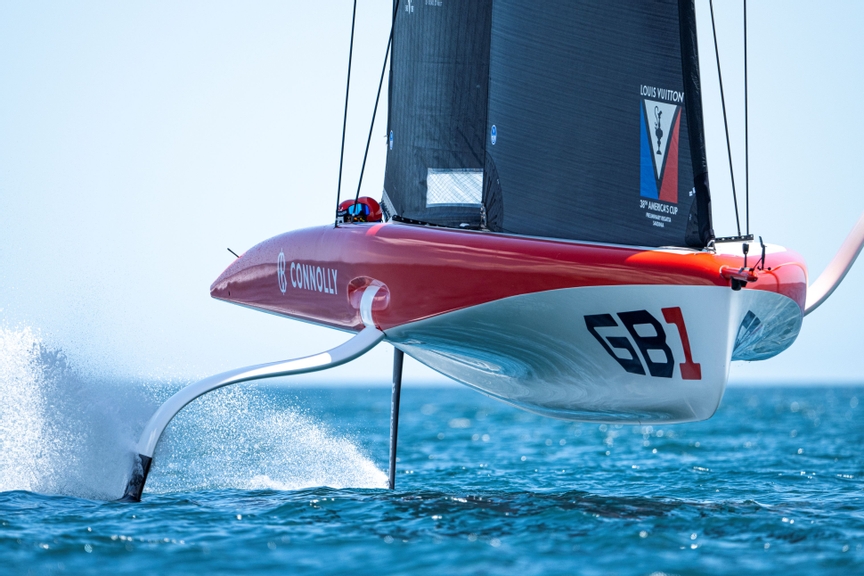
The contrast between the yachts of 1851 and today's foiling AC75s perfectly illustrates that evolution. While the original fleet averaged around five knots during their ten and a half hour circumnavigation of the Isle of Wight, modern America's Cup boats are capable of speeds that would have been unimaginable to the race's founders.
"Nowadays, rather than ten and a half hours, one would hope it would be something like two," Bicket joked.
Britain's Unfinished Business
The America's Cup occupies a special place in British sporting history, but also represents one of its greatest frustrations.
Despite creating the competition, Britain has never succeeded in winning the trophy back after losing it to America in 1851.
"It's the one cup that we put up as a challenge and have never been able to win back," Bicket said. "There have been some noble efforts over the years, not least the fantastic campaigns we've seen over the last three Cup cycles."
However, the Commodore remains optimistic.
"We're going to do it at some stage."
Only a handful of nations have ever lifted the trophy. After more than a century of American dominance, Australia famously broke the United States' grip on the Cup before New Zealand and Switzerland also claimed victories in subsequent decades.
That exclusivity helps explain why the competition remains so fiercely contested.
"It's an incredibly complex operation," Bicket said. "You have to design the boat, build the boat, train the sailors, and develop the whole campaign. Some incredibly clever people have been involved in the America's Cup because the prize at the end of it is completely unparalleled."
Looking Towards Naples and Beyond
As the sailing world prepares for the next chapter in Naples, Bicket believes the founders of the original race would be astonished by what their creation has become.
"I think the originators of the ‘Hundred Pound Cup’ would be pretty speechless if they could see how it has evolved," he said. "But I think they'd also be absolutely delighted because it continues to fulfil the same objective: showcasing yacht design, yacht racing and the evolution of the sport."
And what would victory mean should Britain finally reclaim the trophy?
"It would be 175 years of concerted effort and challenge finally realised," Bicket said. "We're a maritime nation. We're not bad at sailing. On the basis that we started it, we need to get it back."
For a competition born in the Solent in 1851 and still pushing the boundaries of technology and sport today, that pursuit remains as compelling as ever.