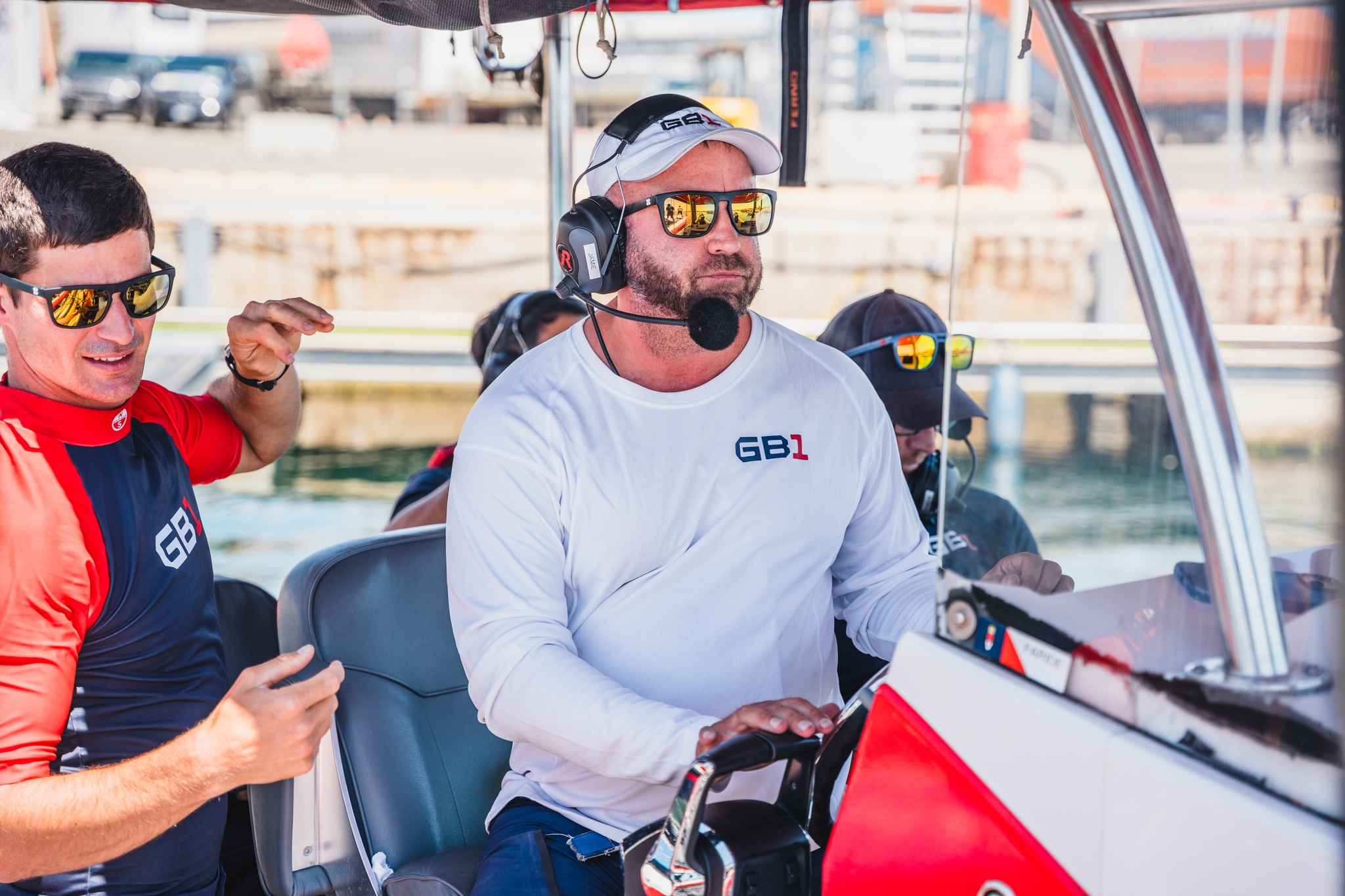
Behind every America's Cup campaign is a team of dedicated individuals working tirelessly to keep operations running smoothly both on and off the water. For Jamie Scott, GB1's Chase Boat Lead and Crane Manager, the path to one of sailing's most demanding environments began far from the racecourse.
Today, Jamie plays a vital role in the day-to-day operation of the team, overseeing the fleet of chase boats and managing all lifting operations required to launch, recover and transport GB1's racing assets. It's a role that combines logistics, planning, technical expertise and plenty of problem solving.
But ask him to explain his job in a few words, and he'll keep it simple.
"I just say I'm the chase boat driver," he laughs. "I chase the race boat around in a fast rib."
In reality, there's far more to it than that.
The Truck on the Water
Jamie's responsibilities begin long before the race boat leaves the dock. From maintaining chase boats and safety equipment to managing documentation, communications systems and spare parts, every detail must be in place to ensure operations run seamlessly.
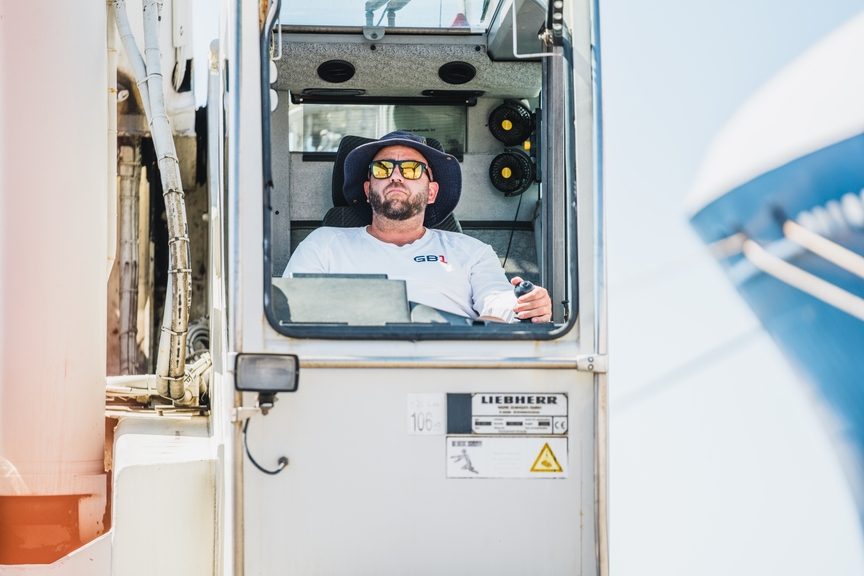
"It's like a truck on the water," he explains, drawing on his own background as a former truck driver. "People see the glamour of chasing the race boat around, but there's all the safety, maintenance and logistics behind the scenes."
The same applies to his crane management role. While spectators may only see a boat being lifted in and out of the water, Jamie is responsible for the planning, documentation and safety processes that make every operation possible.
"It's a little bit more than going round and round, up and down in a crane," he says. "There's a lot of planning that goes on behind it."
Keeping the Team Moving
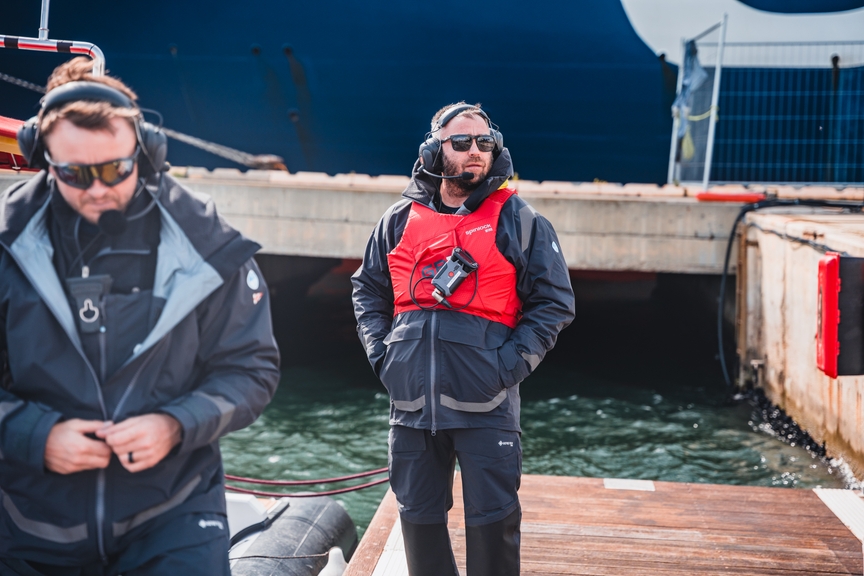
A typical day starts early with checks on both the chase boats and the crane before the wider team arrives. Systems are tested, equipment is inspected and communications are verified before operations begin.
Once racing gets underway, preparation becomes everything.
"If I've done my job properly, everyone knows what they're doing and we just crack on," Jamie says.
One of the biggest challenges is managing the many moving parts that come with supporting a high-performance sailing team.
"People see it as just chasing the boat around, but there's lots going on," he explains. "You've got systems you're constantly monitoring, comms, spare parts, safety equipment and being ready if something happens on the water."
An Unlikely Route into Sailing
Unlike many who find themselves involved in elite sailing, Jamie didn't grow up racing boats.
Raised in Reading, Berkshire, his early connection to the water came through occasional adventures on the River Thames. His career initially followed a very different course, inspired by his father, who spent decades working as a truck driver.
After years in the transport industry, a routine delivery to Southampton would change everything.
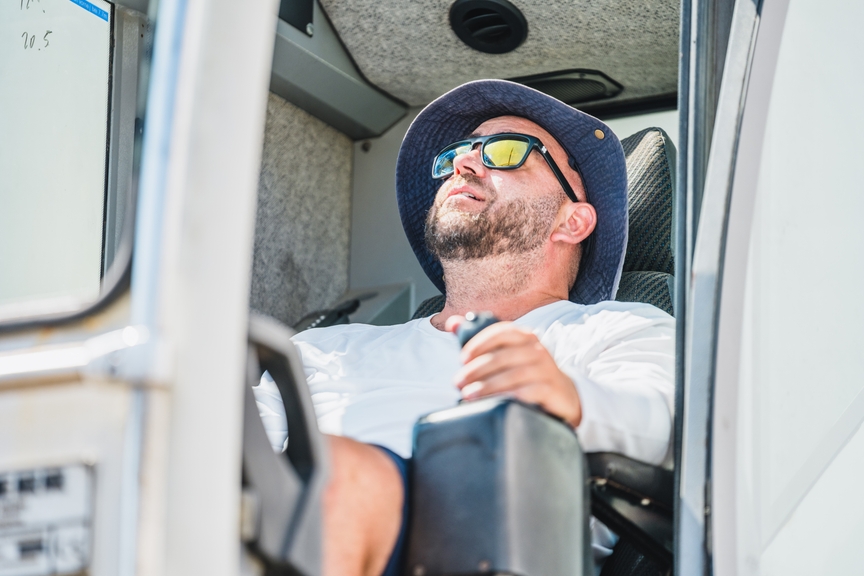
"I was driving trucks down to Southampton docks and thought that seems a lot better than driving trucks for a living," he recalls.
Motivated to make a change, Jamie completed his Day Skipper qualification before working in Greece and later spending several years on tugboats across the UK and Europe. Eventually, the opportunity to combine his experience with trucks, cranes and boats led him into professional sailing.
"Doing cranes, trucks and boats was the perfect experience for the role I'm doing now."
A Career Highlight
Having joined his second America's Cup campaign, Jamie has already experienced one of the standout moments of his career.
His favourite memory?
"Winning the Louis Vuitton Cup last campaign. After all the hard work, it was brilliant."
For someone who describes himself as coming from a non-traditional sailing background, playing a part in one of the biggest achievements in British America's Cup history remains a source of immense pride.
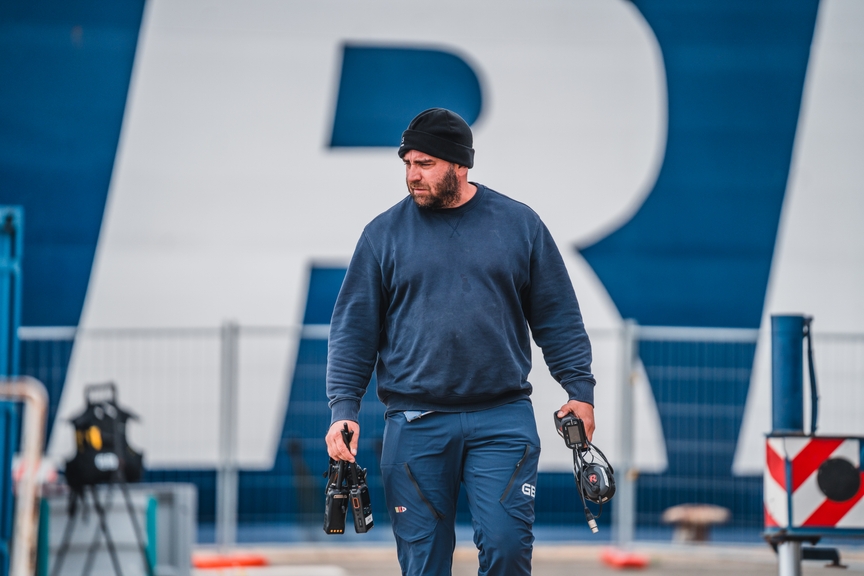
Following Your Own Path
Reflecting on the lessons he's learned, Jamie is passionate about encouraging young people to pursue opportunities, even when the route isn't obvious.
His own interest in sailing was sparked through reading adventure stories and the accounts of famous sailors during lunch breaks while working as a truck driver. Those stories ultimately inspired him to take the first step into a completely new career.
His advice to the next generation is simple.
"Keep an open mind. Don't listen to people who tell you that you can't do it. Just go for it."
And for any young fans dreaming of one day working around the America's Cup?
"Get involved. Be part of a team. Work hard. Follow your dreams. If you want to do something, just go all out and do it."
For Jamie, that mindset took him from the roads of Berkshire to the pinnacle of international sailing. His story is a reminder that there is no single route into the sport, and that some of the most important roles on an America's Cup team happen behind the scenes, long before the starting gun fires.