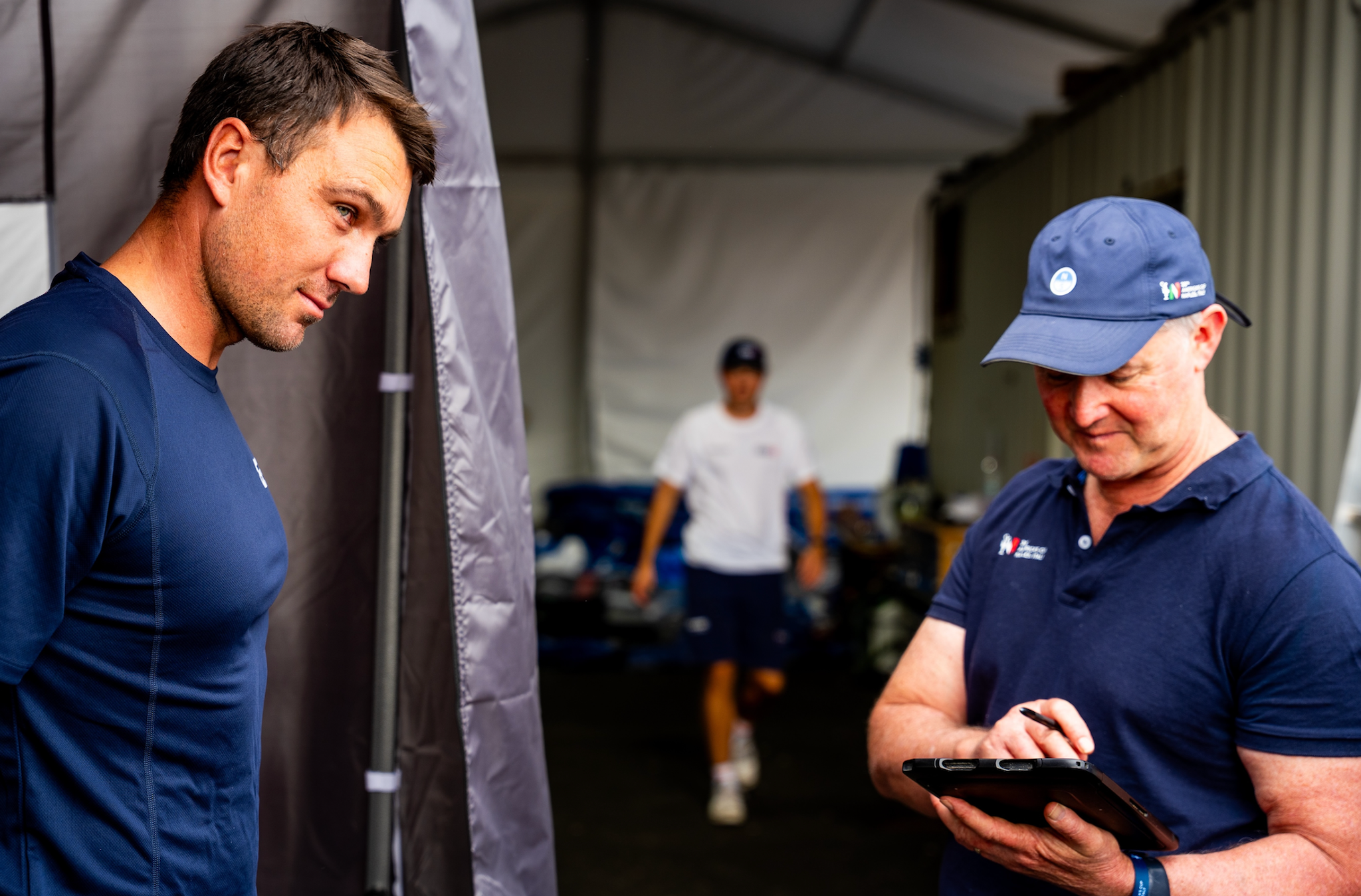
Before any AC40 can line up on a racecourse, every team must complete the official weigh-in process, one of the key procedures used to ensure fair and consistent competition across the fleet.
While the racing itself is decided by crew skill, strategy and boat handling, strict class rules govern the weight of both the sailors and the race boat. The purpose of the weigh-in is to make sure every AC40 competes on an equal footing, preventing any team from gaining an advantage through carrying less weight than its rivals.
The process begins with each sailor being weighed individually. Every member of the sailing team must undergo the same measurements, with the results contributing to the overall crew weight calculation for the boat. Alongside the sailors, the equipment worn during racing is also carefully inspected, tested and weighed to ensure it meets the requirements set out by the class rules.
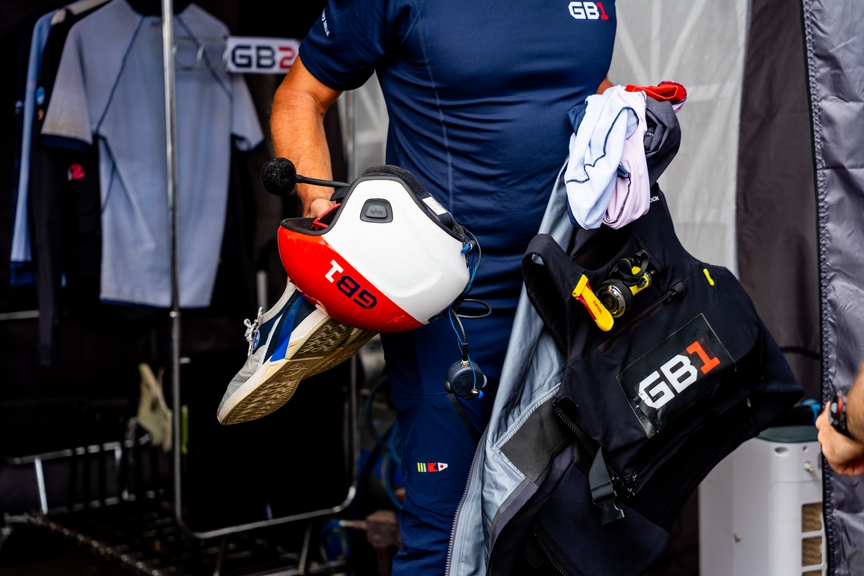
However, the procedure goes far beyond simply stepping onto a set of scales. Items such as buoyancy aids, protective equipment and sailing kit are weighed dry before being submerged in water. They are then allowed to drip dry for a specified period before being weighed again. This helps officials understand how much water the equipment retains during use and ensures all teams are measured under the same conditions.
These detailed checks are important because every kilogram matters in high-performance foiling racing. Weight has a direct impact on the way a boat accelerates, maneuvers and performs on the racecourse. By accurately measuring sailors and equipment, officials can calculate the total racing weight of each boat and crew combination.
Once those calculations have been completed, adjustments can be made where required. Weight may be added to ensure every AC40 races at the same all-up weight, including both the race boat` and the sailors onboard. This removes any potential advantage linked to weight differences and helps ensure that success is determined by performance rather than physical characteristics.

The weigh-in process is also an important part of maintaining consistency and safety throughout the fleet. The same procedures are followed by every team, with equipment subjected to rigorous verification to confirm it complies with the class regulations. It is a meticulous exercise, but one that plays a vital role in preserving the integrity of competition.
Ultimately, the goal is simple: create a level playing field where the outcome is decided by sailing skill, teamwork, decision-making and execution on the water. Long before the first race begins, the weigh-in is one of the many behind-the-scenes processes that helps make that possible.